What to Plant in Front of Your House
If you’ve looked at the flower bed in front of your house and thought, “What should I plant here?” you’re not alone.
Maybe it looks empty. Maybe the shrubs are overgrown. Or maybe you’ve added a few plants over the years and it still doesn’t look quite right.
The hard part usually isn’t finding plants you like. It’s figuring out which plants will work together in your space.
Start with the space, not the plants
Before you make a plant list, look at what the spot actually needs.
How much sun does it get? How deep is the flower bed? What needs to stay? Are these windows, a walkway or other areas you don’t want plants to cover as they grow?
And think about how much work you want the bed to be. A planting that looks great but needs more upkeep than you want probably isn’t the right plan.
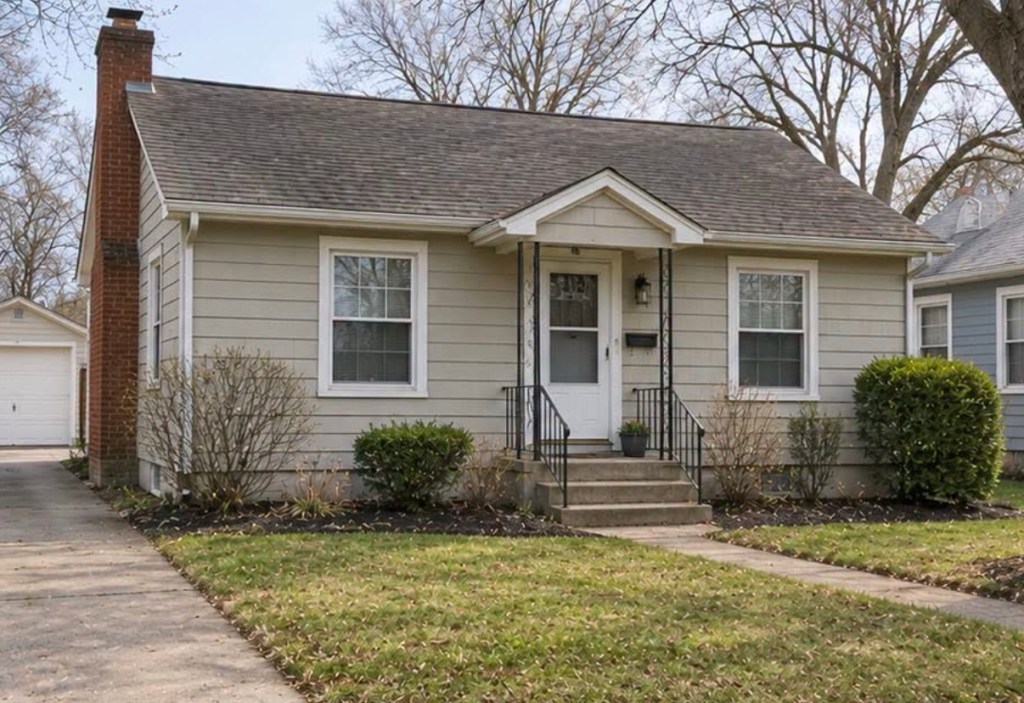
This front flower bed needed a more finished look without filling every open spot.
What could this space look like?
Here’s one direction.
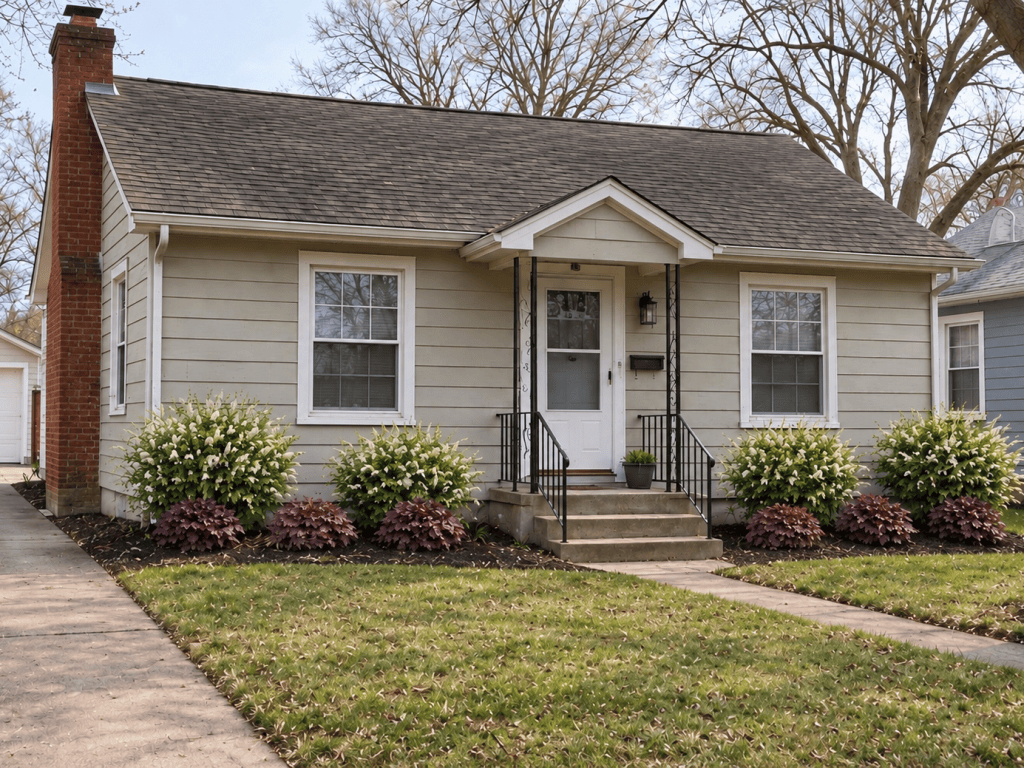
Instead of adding lots of different plants, this idea uses a smaller group of plants more than once. Some provide structure. Others bring in color and softer shapes.
The different heights give the bed some depth without creating a row of short plants, then medium plants, then tall ones. And there’s still open space. A flower bed doesn’t have to be packed to look finished.
That approach follows the design principles Plant With a Plan uses internally: proportional, order, depiction and unity, with plants chosen for their mature size and role before selecting flower color.
So, what should you plant?
There isn’t one plant list that works for every flower bed.
A sunny bed in Indiana may need something very different from a shady bed in Georgia. A narrow 3-foot-deep bed also can’t handle the same plants as a bed that’s 8 feet deep.
A better order is:
- Figure out the conditions. Start with sun, location and available space.
- Choose the plants for their full grown size. That little shrub at the garden center may not stay little.
- Use fewer kinds of plants, more than once. Repetition helps the whole bed feel connected.
- Mix heights and shapes. Give the bed some depth instead of making one flat row.
- Leave some room. You don;t need a plant in every empty spot.
That’s also why starting with a random list of “best front yard plants” can be frustrating. A plant can be perfectly god and still be wrong for your spot.
Before you head to the garden center
Take a photo of the front of your house.
Then jot down three things:
How much sun does the flower bed get?
Full sun, part sun or mostly shade is enough to start.
About how big is it?
You don’t need a survey. Rough dimensions help.
What do you want to change?
Maybe it’s “replace these bushes”, “add some color”, “make this look more finished”, or simply “I don’t know what to do with this spot.”
Those are much more useful starting points than choosing a plant because it looked good at the garden center.
Want to see what could work in your space?
Send us a photo of the area you’re trying to figure out, along with a few details about the space.
Plant With a Plan will create a free personalized planting concept so you can see a direction for your own flower bed before you start buying plants.
Free personalized concept. No plant shopping required.

